Why You Talk Yourself Out of What You Want (And How to Stop)
Why You Talk Yourself Out of What You Want | Jo Renshaw Life Coach, Brighton
The Moment You Kill Your Own Desire
A client sat across from me not long ago and said, "I'd love to be earning £150,000 a year." Then, in the very next breath, before I'd even had the chance to celebrate it with her, she added, "But that's a stupid thing to want, because it’s impossible for me."
I hear a version of this most weeks. Someone tells me what they want, clearly and specifically, and then immediately hands me a list of every reason they can't have it. This is self-sabotage desire in practice. The relationship they'd love. The business that would let them leave the job that's draining them. The body, the home, the year off, the number in the bank account. It arrives, and then it's gone, buried under "but," "realistically," and "who am I to want that."
If you’re wondering “why do I talk myself out of what I want?” read on.
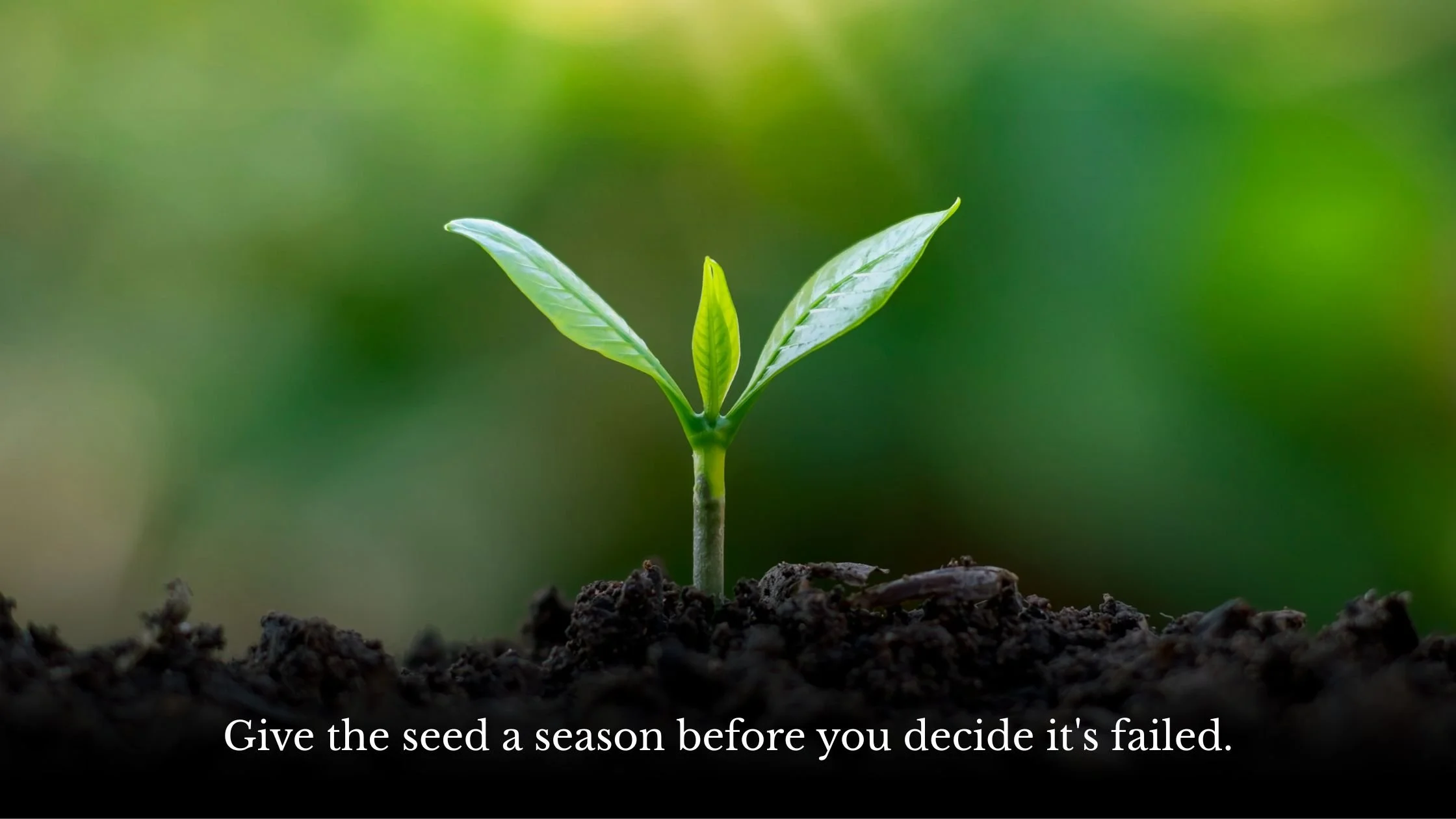
It's a bit like planting an apple seed and then chopping down the first shoot because it hasn't produced apples yet. Of course it hasn't. It's a shoot. Give it a season. But that's not how it feels when the thought "I can't have this" turns up half a second after the desire does. It feels like proof, and so the seed gets pulled up before it's had any chance to grow.
If this is you, there is nothing wrong with your desire. What's happening is a very specific, very well documented piece of brain wiring, and once you can see it, you can start working with it instead of being run by it.
Why Your Brain Does This: The Motivational Triad and the Negativity Bias
Avoid pain, seek pleasure, conserve effort
Underneath your modern, capable, plan-making mind sits a much older piece of software: the motivational triad. It's been running the show since long before we had jobs, bank accounts or Instagram. Its only job is to keep you alive, and it does that in three ways: avoid pain, seek pleasure, and use as little effort as possible.
That system is brilliant at survival. It's also completely unequipped to handle a fully formed, ambitious desire, because wanting something you don't yet have is, to this part of your brain, a form of risk. Risk of failure. Risk of disappointment. Risk of being seen and getting it wrong. So the triad does what it's designed to do: it reaches for the option that avoids the pain, even if that means talking you out of the very thing you want before you've had a chance to enjoy wanting it.
Read more about how the motivational triad works here ➡️
Why negative feels safer than possible
Layered on top of the triad is something called the negativity bias, our brain's tendency to weigh negative information far more heavily than positive information. Evolutionarily, this made sense. Missing a threat could get you killed. Missing a reward just meant you went hungry a little longer. So your brain became expert at scanning for what could go wrong, and much less good at holding onto what could go right.
Here's the paradox: this bias exists to protect you from pain, but in daily life it does the opposite. It generates far more negative emotion than the situations actually warrant. A single "but that's stupid" thought can undo a desire you've been carrying for years, and it will feel like wisdom rather than what it actually is, which is your ancient brain doing its job a little too well in a world that no longer requires it.
Wanting Was Never the Problem
Abraham Hicks, the teacher Esther Hicks channels in her books and talks, puts it simply: desire is born the moment you experience something you don't want, and that contrast naturally produces a new preference. Wanting is meant to feel good. It's meant to feel like relief, like excitement, like the start of something. It's not meant to feel like a threat that needs managing.
So when your brain reroutes a desire into fear within seconds, that isn't your desire being unrealistic. That's your brain’s negativity bias and your motivational triad doing exactly what they evolved to do, protecting you from an old kind of danger that no longer applies to wanting a bigger life.
This is really the whole reframe: Your desire was never the problem. The speed and force with which your brain moves to shut it down is the problem, and that's a pattern you can learn to interrupt.
The Abundant Wanting List: A Way to Practise Wanting Differently
Brooke Castillo, founder of The Life Coach School, who trained me as a Life Coach, teaches a simple practice for this and I use a version of it with my own clients often.
Most of us have only ever practised wanting from a place of lack. We notice something we don't have, and the wanting itself becomes uncomfortable, because it's reminding us of the gap. Brooke's fix is to retrain the brain to associate wanting with abundance instead.
How it works
Write a list of 25 things you want. The rule is that every other item has to be something you want and already have.
So it might look like this: I want a close relationship with my sister, and I have that. I want to earn £150,000 a year, and I don't have that yet. I want to feel proud of the home I've made, and I have that. I want to build a business that gives me real freedom, and I don't have that yet.
You're sandwiching each not-yet-desire between two already-have desires. It sounds almost too simple, but the effect is real. It teaches your nervous system that wanting doesn't automatically mean lacking, and that a desire can sit right next to gratitude rather than opposite it. By the time you reach the things you don't have yet, your brain isn't bracing for disappointment. It's already warm, already practised at wanting from a place of having plenty.

What to Do Next Time You Catch the "Yes, But"
You won't stop the "but" from showing up. That's not the goal. What changes is what you do the moment you notice it.
Next time you hear yourself say what you want and then immediately talk yourself out of it, try this: pause, and name what's actually happening. "That's my negativity bias. That's the motivational triad trying to keep me safe from an old kind of danger." Then let the desire stand on its own for a moment, unedited, exactly as you first said it, before you let a single "but" near it.
That pause is where everything changes. It’s the moment you separated the wanting from the story that instantly followed it. You get to choose which one you build your next action from.
Ready to Practise This for Six Weeks?
This is the exact pattern I built Possible - Believing the Impossible to work with: catching the moment your brain talks you out of your own desire, and practising something different, on purpose, until a new belief feels as automatic as the old one did.
It's a six week live group container, opening soon. If you'd like first access before it opens to everyone else, join the waitlist here and I'll send you the details as soon as doors open.
This blog is inspired by the work I do with my clients during sessions, and brought to you in partnership with AI.



Feeling Stuck? Here’s How to Get Your Life Back on Track - Without the Overwhelm
Have you ever wished you had a personal coach to tell you exactly what to do to improve your life - without having to second-guess yourself, waste time figuring it all out alone, or add more to your already full plate?